Spirulina: Product Forms and Which to Choose
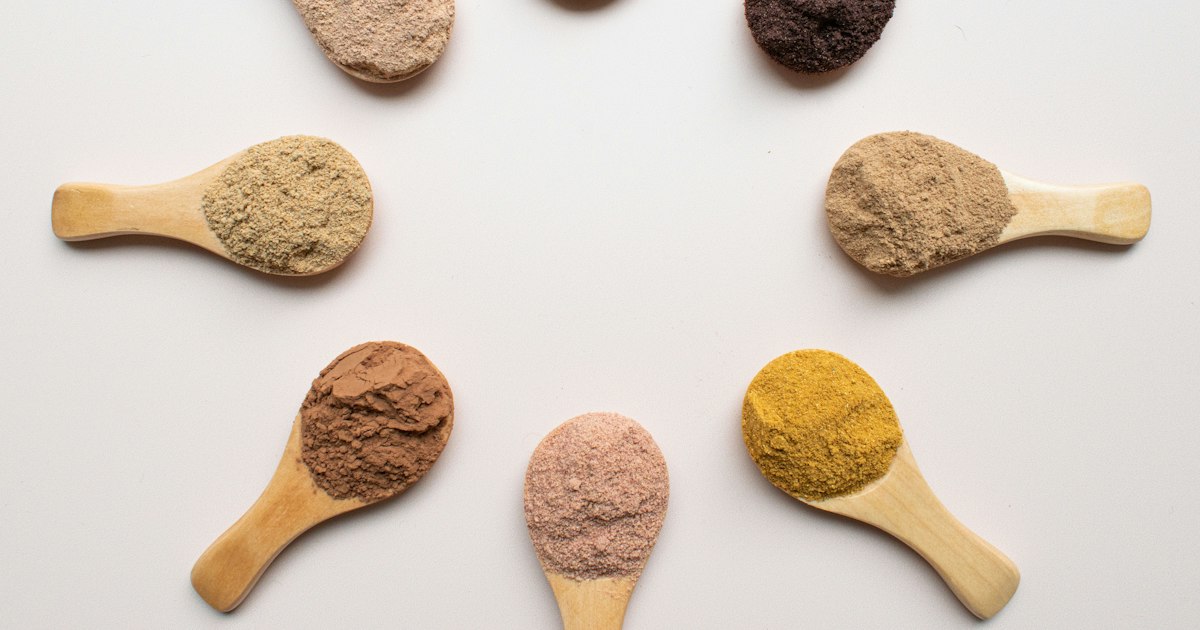
On store shelves spirulina comes in several formats: powder, compressed tablets, capsules, flakes, and liquid phycocyanin extracts. In terms of the active raw material they are similar, but they differ in the price of a single serving, convenience, the amount of excipients, and how easy it is to obtain the dose used in studies. The editors have compared the main forms.
Where spirulina comes from and why the form matters
Spirulina is grown in open ponds or closed photobioreactors, then the biomass is filtered, washed, and dried — most often by spray drying. The output is a fine dark-green powder. All other forms — tablets, capsules, flakes — are essentially the same powder, just presented differently.
So the product form does not change the biological nature of the product: the proteins, phycocyanin, carotenoids, and iron in a tablet and in the powder are identical. Differences arise from the processing technology: drying temperature, addition of fillers, pressure during compression, and protection from light and oxygen.
Phycocyanin — the blue pigment associated with a significant part of spirulina's antioxidant activity — is sensitive to heat and light. So gentle drying and opaque packaging matter more than the product format.
For the consumer, the form matters primarily from a practical standpoint: how much a clinical dose of 3–6 g costs, whether it is convenient to take daily, whether the product contains unnecessary additives, and whether it is easy to verify the quality of the batch.
The main forms: pros and cons
PowderTabletsCapsulesFlakes (crunches)Phycocyanin extracts| Form | Content per unit | Units per 6 g | Taste | Relative price per dose |
|---|---|---|---|---|
| Powder | ~3 g in a teaspoon | 2 teaspoons | Pronounced | Lowest |
| Tablets | Usually 500 mg | ~12 | Weak | Medium |
| Capsules | 400–500 mg | 12–15 | Absent | High |
| Flakes | Measured with a spoon | Depends on the fraction | Moderate | Medium |
| Phycocyanin extract | A different product | Not applicable | Neutral | High |
How to choose according to your goal
If your goal is to obtain the doses used in studies (3–6 g and above), the most rational choice is powder or high-dose tablets. Capsules in this situation make the supplement expensive and inconvenient.
For people who find the taste unpleasant, tablets are suitable: they can be spread over two or three intakes with food. Capsules make sense for small “maintenance” doses of 1–2 g or for those in whom tablets cause a burp with a distinctive aftertaste.
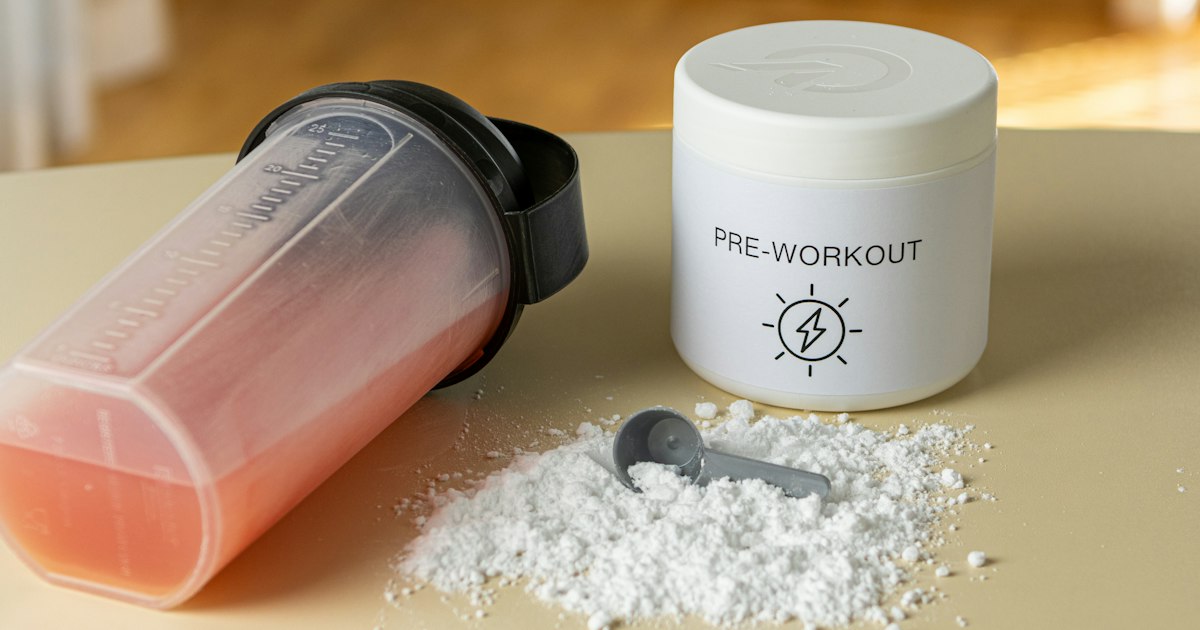
For athletes who prepare protein shakes or smoothies, it is usually most convenient to add the powder directly to the shaker: the taste is masked by cocoa, banana, berries, or peanut butter. Flakes are an option for culinary use, when the supplement becomes part of a dish.
The editors do not advise regarding phycocyanin extracts as a replacement for whole spirulina: it is a separate product with a different evidence base, and the promises about protein, iron, or lipids should not be transferred to it.
Quality criteria regardless of form
The most important criterion is not the form but contamination control. The USP review (Marles et al., 2011) directly indicated that spirulina's risks are related primarily to microcystins, heavy metals, and microbiological contamination. So look for products for which the manufacturer provides a certificate of analysis.
- a batch certificate of analysis (CoA) with figures for microcystins, lead, cadmium, mercury, arsenic;
- microbiological indicators: total microbial count, yeasts and molds, absence of pathogens;
- marks of GMP manufacturing or independent third-party certification;
- the species indicated (Arthrospira platensisormaxima) and country of cultivation;
- opaque, airtight packaging, preferably with a desiccant.
Pay attention to the composition: quality tablets contain only spirulina, without sugar, flavorings, or dyes. A common marketing ploy is “spirulina + chlorella” or “green superfood” blends, in which the share of each ingredient may be small.
The powder color should be a rich dark green with a bluish tint. A brown or yellowish color, a rancid smell, and clumps may indicate oxidation or improper storage, although quality cannot be reliably judged by color alone.
Organic certification guarantees the absence of synthetic fertilizers but does not automatically mean a low content of metals or toxins. So it does not replace laboratory testing.
Storage and shelf life
Spirulina is hygroscopic, meaning it absorbs moisture from the air. Opened powder in a humid room can cake, and moisture creates conditions for microbial growth. So the package should be closed tightly immediately after use.
Light and oxygen accelerate the breakdown of phycocyanin, carotenoids, and chlorophyll. Store the product in a dark, cool place, in opaque containers. A refrigerator is acceptable if the packaging is airtight and no moisture condenses on it.
Tablets and capsules in blister packs or dark bottles usually store more stably than large bags of powder that are opened daily. If you buy powder, it makes more sense to choose a package you will use up in 1–2 months.
Do not use the product after its expiration date or if the smell, color has changed or mold has appeared. Saving a few hryvnias is not worth the risk of gastrointestinal upset.
Editors' conclusions
The product form does not change the nature of spirulina: powder, tablets, and capsules contain the same raw material. The difference is in the price per dose, convenience, and the presence of excipients.
For the doses used in studies, powder and tablets are the most practical; capsules are suitable for small doses, and phycocyanin extracts are a separate product.
Regardless of the form, laboratory testing for microcystins, heavy metals, and microbiology, as well as proper storage, is decisive.
We also recommend reading “How to Take Spirulina: Dosage, Timing, Duration,” “Spirulina Side Effects,” and “Chlorella: What It Is and How It Works.”
References
- Marles RJ, Barrett ML, Barnes J, et al. United States Pharmacopeia safety evaluation of Spirulina. Crit Rev Food Sci Nutr. 2011;51(7):593–604.
- Belay A. The potential application of Spirulina (Arthrospira) as a nutritional and therapeutic supplement in health management. J Am Nutraceutical Assoc. 2002;5(2):27–48.
- Roy-Lachapelle A, Solliec M, Bouchard MF, Sauvé S. Detection of cyanotoxins in algae dietary supplements. Toxins (Basel). 2017;9(3):76.
- Gilroy DJ, Kauffman KW, Hall RA, Huang X, Chu FS. Assessing potential health risks from microcystin toxins in blue-green algae dietary supplements. Environ Health Perspect. 2000;108(5):435–439.
- Karkos PD, Leong SC, Karkos CD, Sivaji N, Assimakopoulos DA. Spirulina in clinical practice: evidence-based human applications. Evid Based Complement Alternat Med. 2011;2011:531053.
Andriy Melnyk
A strength-sports coach and author of programs for beginner and intermediate levels. Writes about training planning.