What to Combine Spirulina With
Spirulina is rarely taken in isolation: it is added to smoothies with protein, combined with vitamins, chlorella, or “green” blends. There is almost no direct research on combinations, so the editors relied on the known properties of the components and the mechanisms of nutrient absorption. We break down which pairings are logical, which are neutral, and which should be avoided.
Principles of combining supplements
Before talking about specific pairs, it is worth formulating some general rules. A combination makes sense if the components complement each other in composition (fill each other's “gaps”) or improve absorption, or if they are simply convenient to take together.
A combination is undesirable if the components compete for absorption, duplicate each other without added benefit (unnecessary expense), or amplify risks — for example, interaction with medications.
Spirulina has several features that determine its compatibility: high protein content, non-heme iron, vitamin K, beta-carotene, phycocyanin, and the absence of active vitamin B12. It is from these properties that we will proceed.
We remind you that the evidence base on the combinations themselves is weak. Most of the advice given is based on the physiology of nutrition rather than on dedicated clinical studies of “spirulina + X.”
| Combination | Assessment | Rationale |
|---|---|---|
| Spirulina + vitamin C / fruit | Recommended | Improved absorption of non-heme iron |
| Spirulina + whey protein | Convenient | Taste is masked, protein complements it |
| Spirulina + creatine | Neutral | Different mechanisms, no conflict |
| Spirulina + omega-3 | Complementary | Spirulina does not contain EPA/DHA |
| Spirulina + vitamin B12 | Necessary for vegans | Spirulina is not a source of active B12 |
| Spirulina + chlorella | Duplication | Similar role, little data on synergy |
| Spirulina + tea/coffee at the same time | Undesirable | Polyphenols reduce iron absorption |
| Spirulina + warfarin | Only with a doctor | Vitamin K affects the INR |
Vitamin C and iron: the most logical pair
Spirulina contains a noticeable amount of iron, but it is non-heme — the same type as in plant foods. Non-heme iron is absorbed worse than heme iron from meat, and its absorption strongly depends on the other components of the meal.
Ascorbic acid is one of the most effective known enhancers of non-heme iron absorption: it reduces ferric iron to ferrous and keeps it in a soluble form. This is a well-established fact of nutritional physiology, so combining spirulina with a source of vitamin C has a rational basis.
In practice this means: add spirulina to a smoothie with kiwi, orange, strawberry, or black currant, or take the tablets together with a meal containing vegetables and fruit.
Conversely, tea and coffee contain polyphenols that reduce the absorption of non-heme iron, and large doses of calcium can also inhibit it. So it is better to space spirulina and coffee, or a dairy protein shake high in calcium, at least an hour apart if your goal is specifically iron.
Sports combinations: protein, creatine, omega-3
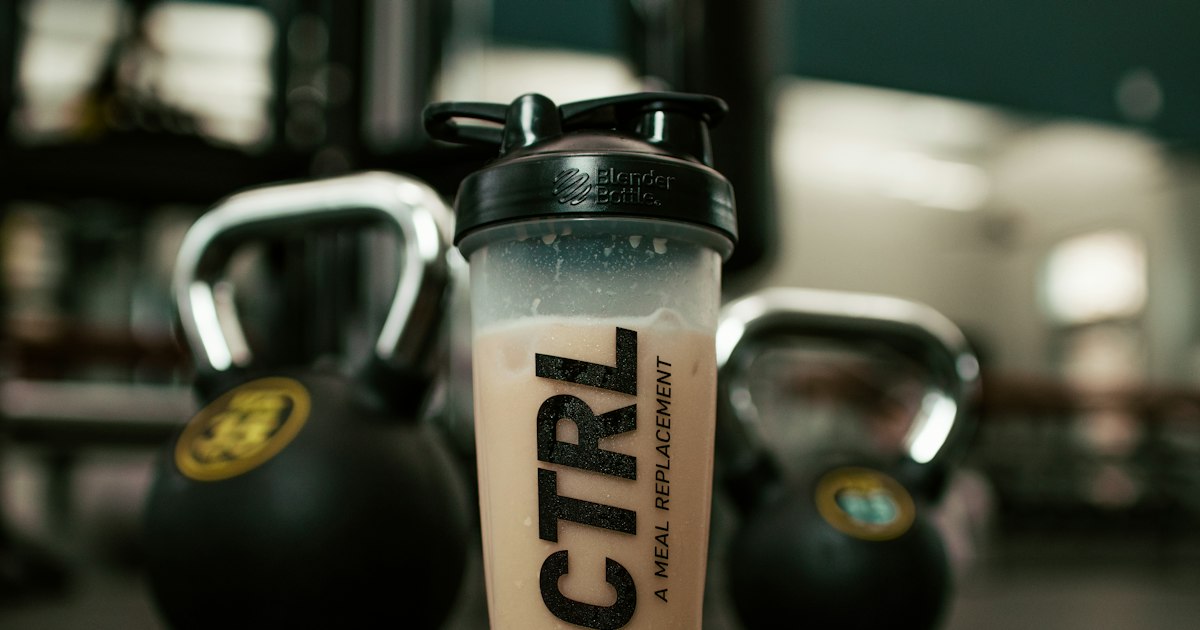
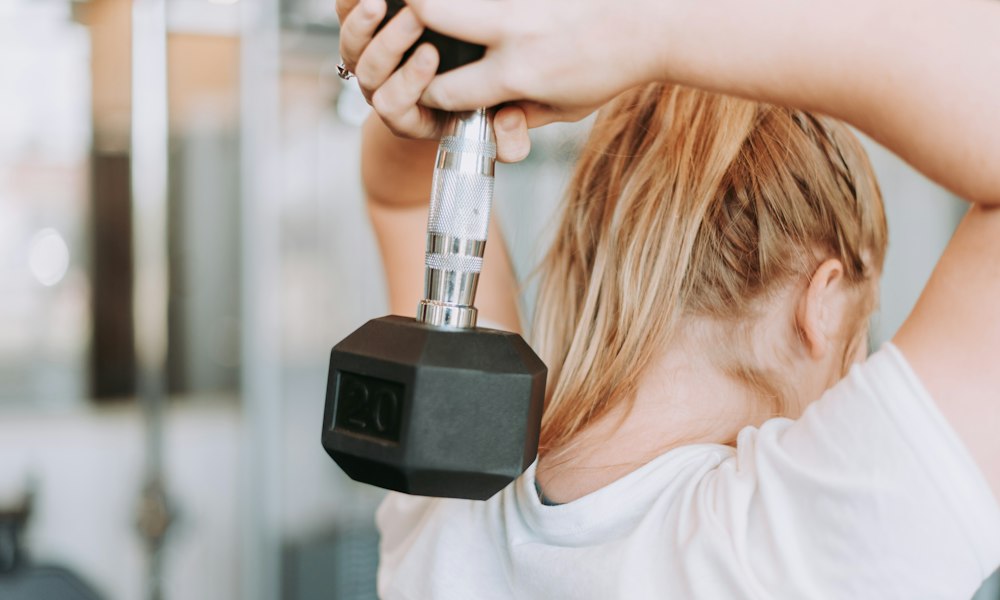
The most common way to take spirulina among athletes is to add the powder to a protein shake. This is convenient: the chocolate or vanilla flavor of the protein masks the distinctive aftertaste of the alga, and spirulina's protein complements the overall serving.
Creatine monohydrate and spirulina work through different mechanisms: creatine increases phosphocreatine stores in the muscles, spirulina is a source of micronutrients and antioxidant pigments. There is no known interaction between them, so they can be mixed in one shaker.
Omega-3 fatty acids EPA and DHA are a logical addition, since spirulina contains practically none; it contains gamma-linolenic acid, which belongs to the omega-6 family. People who do not eat fish should consider microalgae oil as a source of DHA.
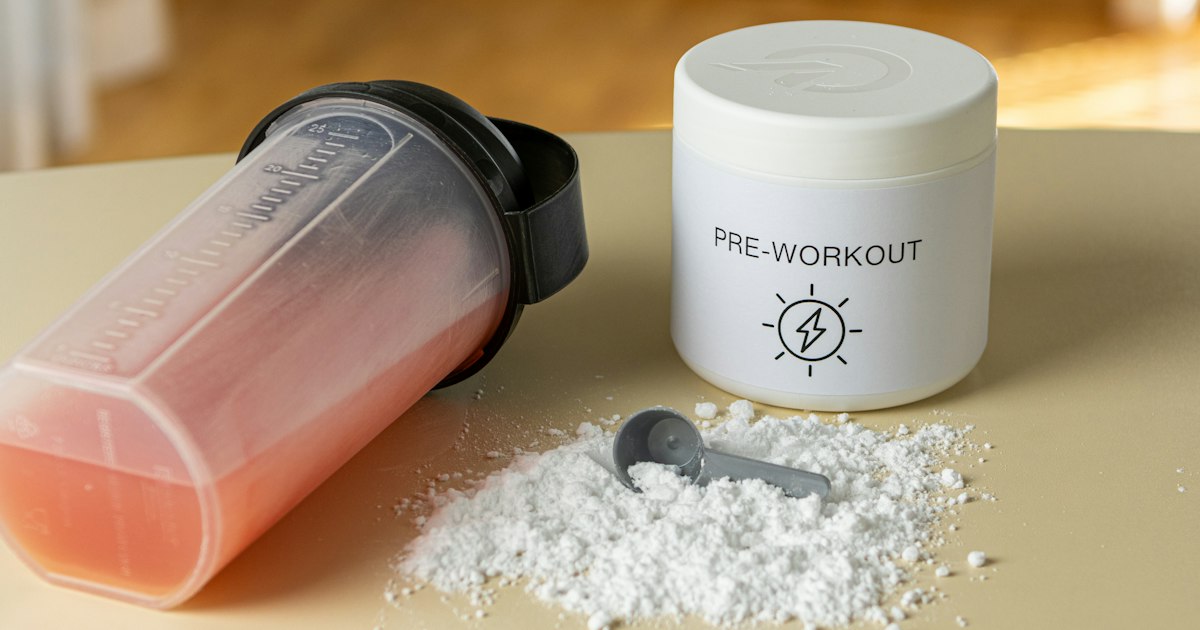
Beta-alanine, caffeine, electrolytes are neutral combinations. The only caveat: coffee or a pre-workout complex with caffeine in the same intake may reduce iron absorption, so it is more rational to take spirulina with the post-workout meal.
- After a workout:protein + spirulina + banana or berries;
- With breakfast:oatmeal, fruit, spirulina in a smoothie;
- Apart from coffee:an interval of at least 1 hour.
Spirulina and chlorella: is there any point in combining them
Spirulina is often sold paired with chlorella as the “perfect green duo.” The manufacturers' logic is that chlorella contains more chlorophyll and vitamin K, while spirulina contains more protein and phycocyanin.
In terms of composition they do indeed partly complement each other, but their roles in the diet are similar: both are nutritious supplements with a limited evidence base for sports performance. The editors are not aware of any studies that would prove synergy from the combination specifically.
The practical downside of combined products is that in 50/50 blends each ingredient is present at half the amount found in a single-ingredient product. If you want to obtain the doses used in studies, it is simpler to buy each product separately.
They can be combined, and there are no safety restrictions for healthy people, but it is important to account for the total vitamin K content (especially on anticoagulants) and the total contamination risk, since both products require quality control.
Undesirable combinations and interactions with medications
The most important interaction concerns anticoagulants — vitamin K antagonists, warfarin in particular. Spirulina contains vitamin K, and regularly adding the supplement can change the effectiveness of the therapy. Intake is possible only with a doctor's approval and INR monitoring.
Immunosuppressants are another group with which spirulina should not be combined on your own, because of the theoretical opposition of its immunostimulating properties to the treatment. The same applies to other immunostimulating supplements, such as echinacea, in autoimmune conditions.
It is not recommended to take several supplements with beta-carotene in high doses at the same time — especially for smokers, since in studies high-dose beta-carotene in supplement form was associated with an increased risk of lung cancer in smokers. Ordinary servings of spirulina provide a moderate amount of carotenoids, but the “stacking” of several products should be taken into account.
Finally, sorbents (activated charcoal) and iron preparations in therapeutic doses are best spaced out in time from other supplements — this is a general rule that also applies to spirulina.
Editors' conclusions
Spirulina's most logical partners are sources of vitamin C for better iron absorption, protein for convenience and taste masking, and, for vegans, a separate vitamin B12 and omega-3 from microalgae.
Creatine, beta-alanine, and electrolytes combine neutrally; coffee and tea in the same intake reduce iron absorption.
A combination with chlorella is possible, but its benefits are not proven. Anticoagulants and immunosuppressants are an area where a doctor's consultation is needed.
We also recommend the articles “How to Take Spirulina: Dosage, Timing, Duration,” “Who Should Not Take Spirulina,” and “Chlorella Benefits for Athletes: The Evidence Base.”
References
- Karkos PD, Leong SC, Karkos CD, Sivaji N, Assimakopoulos DA. Spirulina in clinical practice: evidence-based human applications. Evid Based Complement Alternat Med. 2011;2011:531053.
- Marles RJ, Barrett ML, Barnes J, et al. United States Pharmacopeia safety evaluation of Spirulina. Crit Rev Food Sci Nutr. 2011;51(7):593–604.
- Watanabe F. Vitamin B12 sources and bioavailability. Exp Biol Med (Maywood). 2007;232(10):1266–1274.
- Belay A. The potential application of Spirulina (Arthrospira) as a nutritional and therapeutic supplement in health management. J Am Nutraceutical Assoc. 2002;5(2):27–48.
- Kalafati M, Jamurtas AZ, Nikolaidis MG, et al. Ergogenic and antioxidant effects of spirulina supplementation in humans. Med Sci Sports Exerc. 2010;42(1):142–151.
- Bito T, Okumura E, Fujishima M, Watanabe F. Potential of Chlorella as a dietary supplement to promote human health. Nutrients. 2020;12(9):2524.
Andriy Melnyk
A strength-sports coach and author of programs for beginner and intermediate levels. Writes about training planning.